
Slab Leak Detection
Finds a supply leak under the concrete with meter tests, listening gear and thermal imaging, before anyone breaks the floor.
View service (512) 254-7509
Once a leak under the slab is pinpointed, it has to be fixed. Slab leak repair in Leander usually means a small, precise opening in the floor or a decision to leave the old line and run a new one.
Leander Leak Detection is a free referral service. Calls are answered by independent local providers who set their own prices.

Slab leak repair in Leander fixes a leaking water line under the foundation after it has been located. An independent local plumber either opens a small section of floor to repair the pipe directly or recommends bypassing it with a new line.
Slab leak repair is the fix that follows detection. Once the provider has confirmed a leak and marked its position on the floor, there are two broad options: go through the slab to repair the pipe where it failed, or leave that section in place and supply the fixture another way. This page covers the first option, the direct repair; the second is explained on the pipe rerouting page.
A direct repair is a precise job. The tech cuts a small opening in the flooring and concrete over the marked spot, digs down to the pipe, cuts out the damaged section and joins in new pipe with fittings suited to the existing material. The line is pressure tested, the hole is backfilled and the concrete is patched.
Good repair starts with good detection, so if the leak has not been located yet, start with slab leak detection in Leander. For the bigger picture of finding leaks across the home, see leak detection Leander on the main page.
Furniture is moved, flooring is cut or lifted and dust protection goes up around the work.
A concrete saw and breaker open a small section over the marked leak, avoiding post-tension cables.
The damaged section is cut out and replaced with new pipe and fittings, then pressure tested.
The hole is backfilled and compacted, and new concrete is placed level with the floor.
Detection has found it, and every day it runs adds to the bill.
Moisture is reaching the surface through grout, carpet or wood.
A hot water leak is growing or the warm area is moving.
Usage is rising each cycle, which points to a growing leak.
Damp soil and flooring under the slab are starting to smell.
Fixtures fed by the leaking line have weaker flow.
Fresh cracks in tile or drywall near the leak area.
The heater runs constantly to replace leaking hot water.
Water on the floor right now? Shut the main valve and call.Open 24/7 · Talk to a local provider in Leander
Call 24/7 (512) 254-7509The first local factor is the foundation itself. Many newer homes in Central Texas are built on post-tensioned slabs, which use steel cables tightened after the concrete cures. Those cables run through the slab in a grid, and cutting one can be dangerous and costly. Providers who work in Leander are used to locating cables before cutting, and that care is part of why a slab repair takes planning.
The second factor is the soil. Leander's expansive clay can be very firm when dry and sticky when wet, which affects how the repair hole is dug and backfilled. Proper compaction under the patch matters, because loose fill can settle and leave a dip or a crack in the new concrete.
The third factor is the pipe. Homes built in the city's growth years may have copper, PEX or other plastic lines, and the repair has to match. Joining new pipe to old needs the right fittings so the repair does not become the next weak point. A provider should tell you what material they found and what they used.
Ask the provider to photograph the pipe once it is exposed and again after the repair. Those photos are useful for an insurance claim and for the City of Leander leak adjustment form, which asks for proof of a full repair.
A spot repair makes sense when there is one leak, the rest of the line tests sound, and the leak sits under flooring that can be opened and replaced without much trouble, such as a utility room or a garage-adjacent hall. It is also faster to arrange in many cases.
It is less attractive when the leak is under a kitchen island, built-in cabinets or a large run of expensive tile, or when the house has already had a slab leak. In those cases the cost of opening and restoring the floor, plus the chance of another leak on the same line, often tips the decision toward a reroute through the walls or attic. A provider should lay out both and let you compare.
Homeowners in Crystal Falls, where many houses are larger and floors more finished, often weigh this choice carefully.
Water meter moving with every tap off? Call (512) 254-7509 for a local provider.Open 24/7 · Talk to a local provider in Leander
Call 24/7 (512) 254-7509
The tech confirms the marked location and explains where they will open the floor.
Post-tension cables and other lines are located so the cut avoids them.
The pipe is repaired and the system pressure tested to confirm the leak is gone.
The concrete is patched and you get a written summary and photos of the repair.
Warm spot on the floor? A provider can talk it through by phone.Open 24/7 · Talk to a local provider in Leander
Call 24/7 (512) 254-7509| Spot repair through the slab | Reroute | |
|---|---|---|
| Best when | One leak, healthy line | Repeat leaks or hard-to-open floors |
| Floor opened | Small section over the leak | Usually none |
| Walls opened | No | Small openings to run the new line |
| Old line | Repaired and kept in use | Abandoned in place under the slab |
| Factor | Why it matters | What to ask on the call |
|---|---|---|
| Depth of the pipe | Deeper lines mean more digging | How deep is the line at the marked spot? |
| Flooring type | Tile and wood take longer to open and restore | Is flooring repair included? |
| Slab type | Post-tension cables need extra care | Have you located the cables? |
| Pipe material | Different materials need different fittings | What pipe did you find, and what will you use? |
| Access | Cabinets or appliances over the spot add work | Do I need to move anything first? |
Most slab leak repairs are scheduled within days of detection. A repair becomes urgent when water is surfacing through the floor, when the leak is on a line you cannot shut off separately, or when the soil under the slab is being washed out, which can show as sudden new cracks or a sinking spot. If you have to keep the main valve closed to stop the leak, tell the provider, because they may be able to cap the leaking branch and restore water to the rest of the house the same day.
Water on the floor right now? Shut the main valve and call.Open 24/7 · Talk to a local provider in Leander
Call 24/7 (512) 254-7509Never cut into a concrete slab without knowing whether it is post-tensioned. A stamp near the garage or a note in the builder's documents often says so; if you are not sure, assume it is and leave the cutting to a professional.
Once the leak is fixed, watch the water meter for a few days with everything off to confirm it no longer moves. Keep the invoice and photos together, because the City of Leander accepts leak adjustment requests within 90 days of the completed repair, and a licensed plumber's paperwork qualifies for a credit of up to $250.
Around the outside of the house, try to keep soil moisture steady. Gentle, even watering near the foundation during dry spells, where current water rules allow it, reduces the swelling and shrinking of the clay that put stress on the pipes in the first place.
For a single leak on a line that is otherwise in good shape, a direct spot repair is common: open a small area of floor over the marked spot, repair the pipe and restore the concrete. Repeated leaks usually point to a reroute instead.
It depends on the pipe depth and how precisely the leak was located, but a well-pinpointed repair often needs an opening of roughly two to three feet square. Good detection keeps it small.
The plumber closes and patches the concrete. Replacing tile, wood or carpet is usually separate work, so ask on the call whether flooring is included or if you need a flooring contractor.
The repaired joint itself should hold, but if the rest of the line is worn or under stress, another leak can appear elsewhere. That is why a provider may suggest testing the whole system after the repair.
For a spot repair, many homes are without water for part of a day. A tech can sometimes restore water to the rest of the house while the repaired section cures.
Policies differ. Some cover the cost of accessing the pipe and the water damage but not the pipe itself. Ask your insurer before work starts and keep the provider's written findings.
Finds a supply leak under the concrete with meter tests, listening gear and thermal imaging, before anyone breaks the floor.

Traces leaks on the buried service line between the meter box and the house, under lawn or driveway.
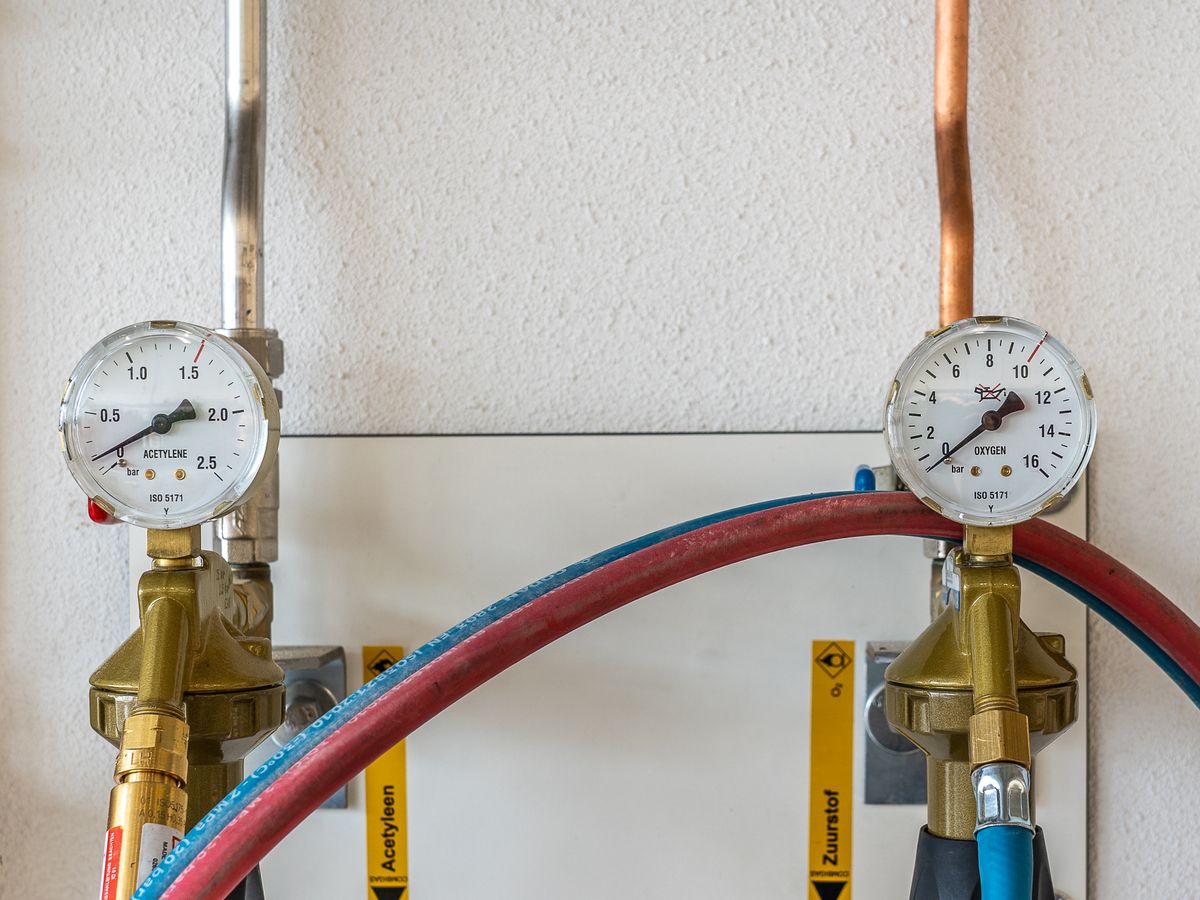
For warm floor spots and a heater that runs nonstop. Isolates the hot side and finds where it escapes.

Camera and test-plug work on drain lines under the foundation, where a leak soaks the soil quietly.

Runs a new line through the walls or attic so a failed under-slab pipe can be abandoned in place.

Water spreading across a floor or a meter spinning fast? Shut-off help by phone, then a fast visit.
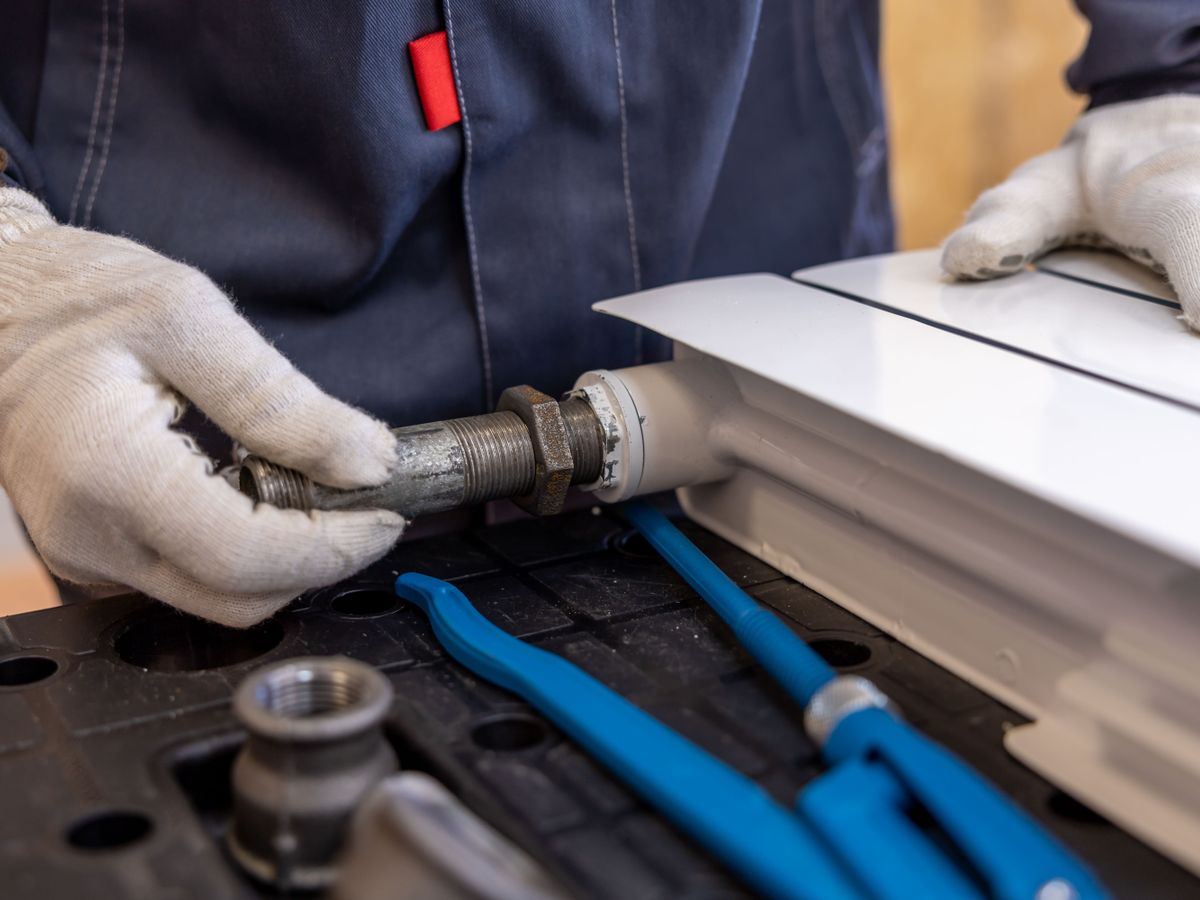



Representative photos of the kind of work local providers handle.
Talk to a local provider
One call connects you with an independent plumber who works in Leander. They explain the likely cause and give a price before any work starts.
(512) 254-7509