
Slab Leak Repair
Fixes the leaking line once it is pinpointed: a spot repair through the slab, or a plan to bypass it.
View service (512) 254-7509
A slab leak is a pressurized water line leaking under the concrete floor. In Leander, where almost every home sits on a slab over clay, it is the leak providers look for first when the meter moves and nothing is running.
Leander Leak Detection is a free referral service. Calls are answered by independent local providers who set their own prices.

Slab leak detection in Leander finds a leaking supply line under the concrete foundation without breaking the floor first. An independent local plumber confirms the leak with a meter and pressure test, then pinpoints it with listening equipment and thermal imaging.
Slab leak detection is the work of finding a leak in the water lines that run under or inside a concrete foundation. In most Leander houses the supply lines come in from the meter, drop under the slab and come back up at each fixture. When one of those buried runs cracks or a joint fails, the water has nowhere to show itself. It soaks into the gravel and clay under the floor while the meter keeps turning.
Because the pipe is out of sight, the point of detection is to prove a leak exists, decide whether it is on the hot or cold side, and then mark the spot on the floor as closely as possible, all before anyone cuts tile or concrete. A good provider treats breaking the slab as a last step, not a way of looking.
Slab leaks are one part of leak detection in Leander. If the leak turns out to be in the yard, the work moves to the buried water line; if it is under the slab, the next decision is between a spot slab leak repair and a reroute.
With all fixtures off, the provider watches the meter and may run a pressure test on the system to prove water is escaping.
Closing the heater supply shows whether the loss is on the hot side, the cold side or both.
Sections are shut off or capped and pressure tested one at a time to narrow the leak to a single run.
Acoustic listening, thermal imaging and sometimes tracer gas mark the spot so any opening is small.
The low-flow indicator turns while every tap, toilet and appliance is off.
Usage climbs month after month though habits have not changed.
One patch of tile or wood feels warm underfoot, often near the kitchen or a bath.
A faint hiss or rush when the house is quiet and nothing is on.
Moisture shows at the edge of a room with no plumbing fixture nearby.
The heater cycles often because hot water is leaking away.
Flow drops at several fixtures as water escapes before it gets there.
Fresh cracks in tile or a damp, musty odor near the floor.
Warm spot on the floor? A provider can talk it through by phone.Open 24/7 · Talk to a local provider in Leander
Call 24/7 (512) 254-7509Leander's soil is the biggest local factor. Much of the topsoil here is expansive clay, a soil that changes volume as its moisture changes. It swells after heavy rain and pulls back during long dry stretches, and a concrete slab resting on it rises and settles slightly from season to season. Pipes under the slab are fixed at each end, so that movement puts strain on the lines and the joints between them.
Construction pace is the second factor. Leander grew from 59,202 people in 2020 to an estimated 90,000-plus within a few years, and large subdivisions went up quickly. Most of those homes are sound, but a line that was kinked, nicked or poorly supported when the slab was poured can take a few years to start leaking. Where copper is used, abrasion against rough fill or concrete can wear a pinhole over time; on plastic lines, fittings are the usual weak point.
Water use patterns add stress too. Leander has gone through tight water restrictions, including a 2024 period when outdoor watering was banned while a regional pipeline was replaced. Long dry spells followed by heavy watering or storms mean the clay around foundations goes from dry to wet quickly, and that is exactly the kind of swing that moves a slab.
Before you call, do the meter test twice: once with everything off, and once with only the water heater's cold supply valve closed. If the meter stops in the second test, the leak is probably on the hot side, which is useful for the provider to know.
Most homes in Leander were built since the 1990s, and many since 2010, so the slab is usually a post-tensioned or conventional concrete foundation with supply lines run underneath. Depending on the builder and year, those lines may be copper, PEX or another plastic. Copper lines carry sound well, which helps acoustic listening; plastic lines are quieter, so providers lean more on pressure isolation, thermal imaging and tracer gas.
Flooring matters too. Large-format tile, which is common in Leander kitchens and living areas, transmits warmth well for thermal imaging but can make listening harder. Carpet and pad can hide moisture. A provider will ask what flooring is over the suspected area and plan the tests around it, so that any opening is as small and well placed as possible.
Homes in newer areas such as Travisso are more likely to have plastic lines and manifold systems, which can make isolating one branch easier. Older homes near Old Town Leander are more likely to have copper.
Water on the floor right now? Shut the main valve and call.Open 24/7 · Talk to a local provider in Leander
Call 24/7 (512) 254-7509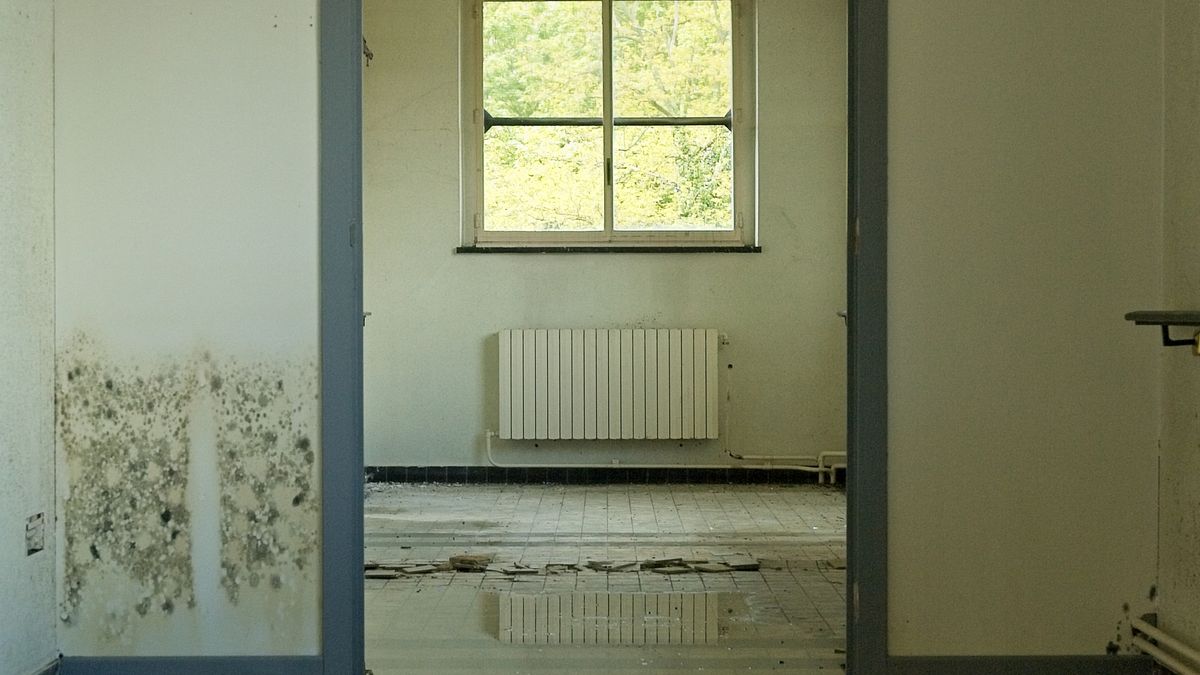
The provider asks about the bill, the meter test and any warm or wet spots you have found.
Meter watch, pressure tests and hot-cold isolation confirm the leak and narrow it to a line.
Listening equipment and thermal imaging trace the line across the floor to the leak point.
You get the location marked, an explanation and repair choices with a price for each.
Water meter moving with every tap off? Call (512) 254-7509 for a local provider.Open 24/7 · Talk to a local provider in Leander
Call 24/7 (512) 254-7509| Acoustic listening | Thermal imaging | Tracer gas | |
|---|---|---|---|
| Best for | Pressurized copper lines | Hot water leaks | Quiet plastic lines, tiny leaks |
| How it works | Amplifies the sound of escaping water | Shows warm areas on the floor surface | Detects a safe gas pushed through the line |
| Limits | Noise and thick tile reduce accuracy | Cold leaks show weakly | Takes longer, needs the line drained |
| Typical use | First pass on most calls | Confirms a hot-side leak | When the first two are inconclusive |
| Factor | Why it matters | What to ask on the call |
|---|---|---|
| Number of lines to test | Each branch tested adds time | Will you test hot and cold separately? |
| Pipe material | Plastic lines often need extra methods | What methods do you use for PEX? |
| Flooring over the leak | Tile, wood or carpet change the approach | How will you work around my flooring? |
| Time of day | After-hours visits usually cost more | Is there an after-hours rate? |
| Report and paperwork | Written findings help with insurance and the city credit | Do I get the findings in writing? |
A slow slab leak can usually wait for a scheduled visit, though not for weeks. It becomes urgent when water comes up through the floor, when a warm spot becomes hot or spreads quickly, or when the meter is moving fast. In those cases close the main shut-off valve, usually at the meter box or where the line enters the house, and switch off the water heater so it does not run dry. Then call. A provider can talk you through the shut-off by phone and plan the visit around keeping the water off as short a time as possible.
Warm spot on the floor? A provider can talk it through by phone.Open 24/7 · Talk to a local provider in Leander
Call 24/7 (512) 254-7509Do not try to locate a slab leak by drilling or chipping the floor yourself. Post-tensioned slabs, which are common in newer Texas homes, contain steel cables under high tension, and cutting one is dangerous and expensive to repair.
Once the leak is pinpointed, you have a real decision instead of a guess. A single leak on an otherwise healthy line is often repaired through a small opening in the floor. Repeated leaks, or a leak under expensive flooring or a cabinet, can make a reroute the better choice. The provider should explain both, with a price for each, and leave the choice to you.
Keep every receipt. The City of Leander's leak adjustment needs proof of a full repair within 90 days, and a licensed plumber's invoice qualifies for the higher credit. If you plan an insurance claim, ask for written findings with photos of the marked location.
Common enough that local plumbers test for them on most unexplained-leak calls. Leander homes are built almost entirely on concrete slabs, and the expansive clay under them swells and shrinks with the seasons, which stresses the lines below the floor.
Good equipment and an experienced tech can usually narrow a leak to a small area of floor, often within a foot or two. Accuracy drops with thick tile, loud appliances nearby or more than one leak, which is why the provider may test in stages.
Many visits take one to three hours. Isolating hot and cold lines, pressure testing each, then listening and imaging along the likely path all take time, and a careful tech does not rush the last step.
Water soaking the clay under one part of a slab can make that area swell or soften differently from the rest. Over time that can add to movement and cracking, so a confirmed leak is worth fixing promptly rather than watching.
Often, yes. A slab leak runs all day, so even a small one can add noticeably to a monthly bill. Leander's leak adjustment rule looks for use at least twice your three-month average, which a running slab leak can reach.
Hot water leaks waste energy as well as water and are often easier to feel as a warm floor. Cold leaks can go unnoticed longer. Both soak the soil under the slab, so both should be found and fixed.
Fixes the leaking line once it is pinpointed: a spot repair through the slab, or a plan to bypass it.

Traces leaks on the buried service line between the meter box and the house, under lawn or driveway.
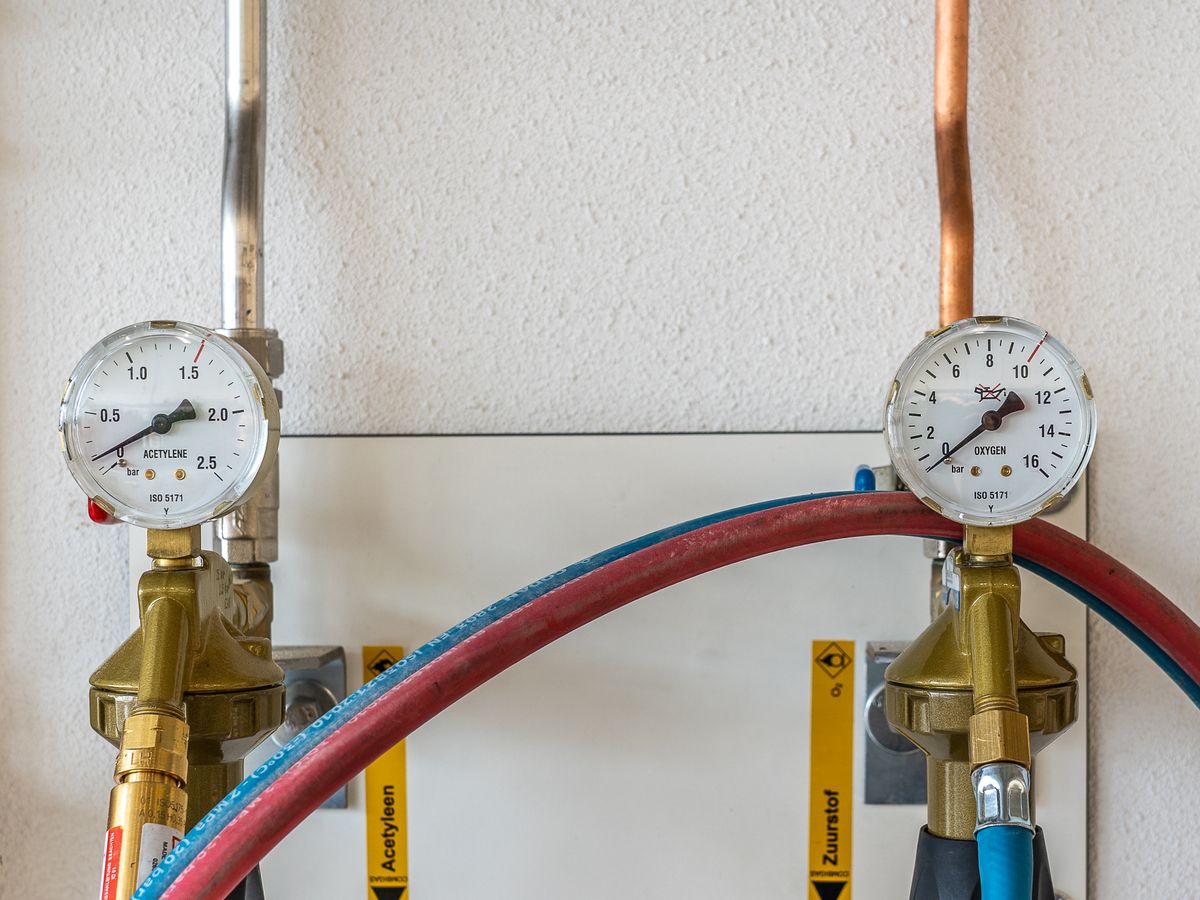
For warm floor spots and a heater that runs nonstop. Isolates the hot side and finds where it escapes.
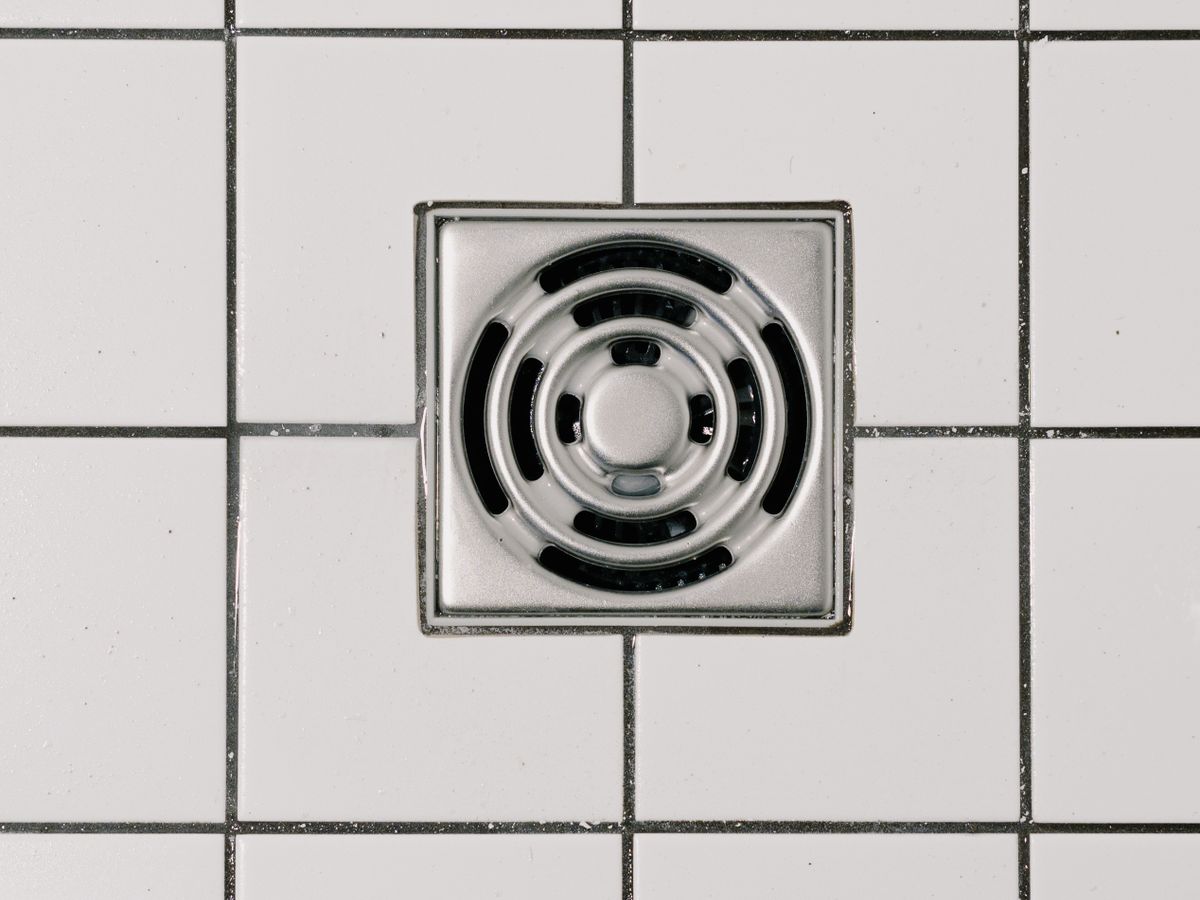
Camera and test-plug work on drain lines under the foundation, where a leak soaks the soil quietly.

Runs a new line through the walls or attic so a failed under-slab pipe can be abandoned in place.

Water spreading across a floor or a meter spinning fast? Shut-off help by phone, then a fast visit.


Representative photos of the kind of work local providers handle.
Talk to a local provider
One call connects you with an independent plumber who works in Leander. They explain the likely cause and give a price before any work starts.
(512) 254-7509